
A slow sink can be a small fixture-level clog. Several slow drains, bubbling toilets, or wastewater backing up at a low drain can point to a blockage farther along the line. Rooter service uses mechanical equipment to address certain drain and sewer-line obstructions, but the right method depends on access, pipe condition, and what a technician finds.
If you are looking for rooter service in Brea, start by noting which fixtures are affected and whether the problem keeps returning.
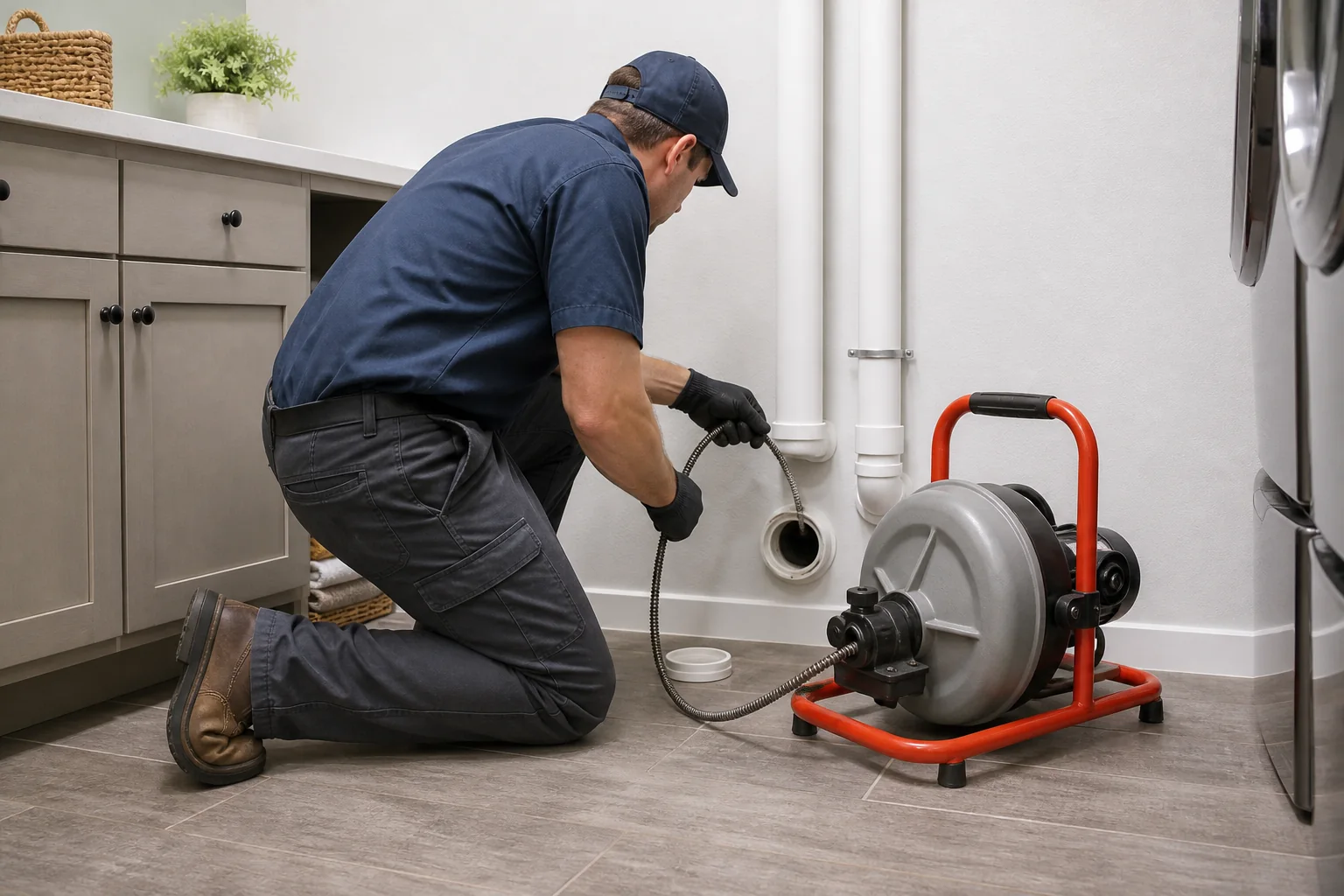
Rooter service in Brea: when to call
Rooter service may be appropriate when a drain or sewer line is obstructed and a basic fixture-level solution has not restored flow. Several affected fixtures, repeated clogs, or a backup at a lower drain can suggest the issue is beyond one sink or tub. Symptoms are clues, not a diagnosis, so a technician should assess the line before choosing a method.
One slow drain or a possible main-line problem?
When only one sink or shower drains slowly, the restriction may be close to that fixture. If toilets, tubs, and sinks in different parts of the property are slow or backing up around the same time, the blockage may be farther downstream in a shared branch or main line. That pattern does not prove a main-line clog, but it is useful information to share when requesting service.
What should you tell the dispatcher?
Clear details help the service team understand the situation before arrival. When you contact a plumber, be ready to describe:
- Which fixtures drain slowly or back up, and which still work normally.
- When the issue began and whether it has happened before.
- Whether flushing a toilet or running water affects another drain.
- Any visible water, unusual sounds, or sewer-like odors near a drain.
If wastewater is actively rising, stop using nearby fixtures and explain that clearly when you call. Avoid mixing chemical drain products or repeatedly forcing water through a backed-up line.
Signs a clog may be deeper in the line
Multiple symptoms happening together can help distinguish a single-fixture clog from a possible shared-line issue. No symptom alone identifies the exact cause; the table is a way to organize observations and decide what to tell a professional.
|
|
|
|
|
|
|
|
|
|
|
|
|
|
|
|
|
|
|
|
|
|
|
|
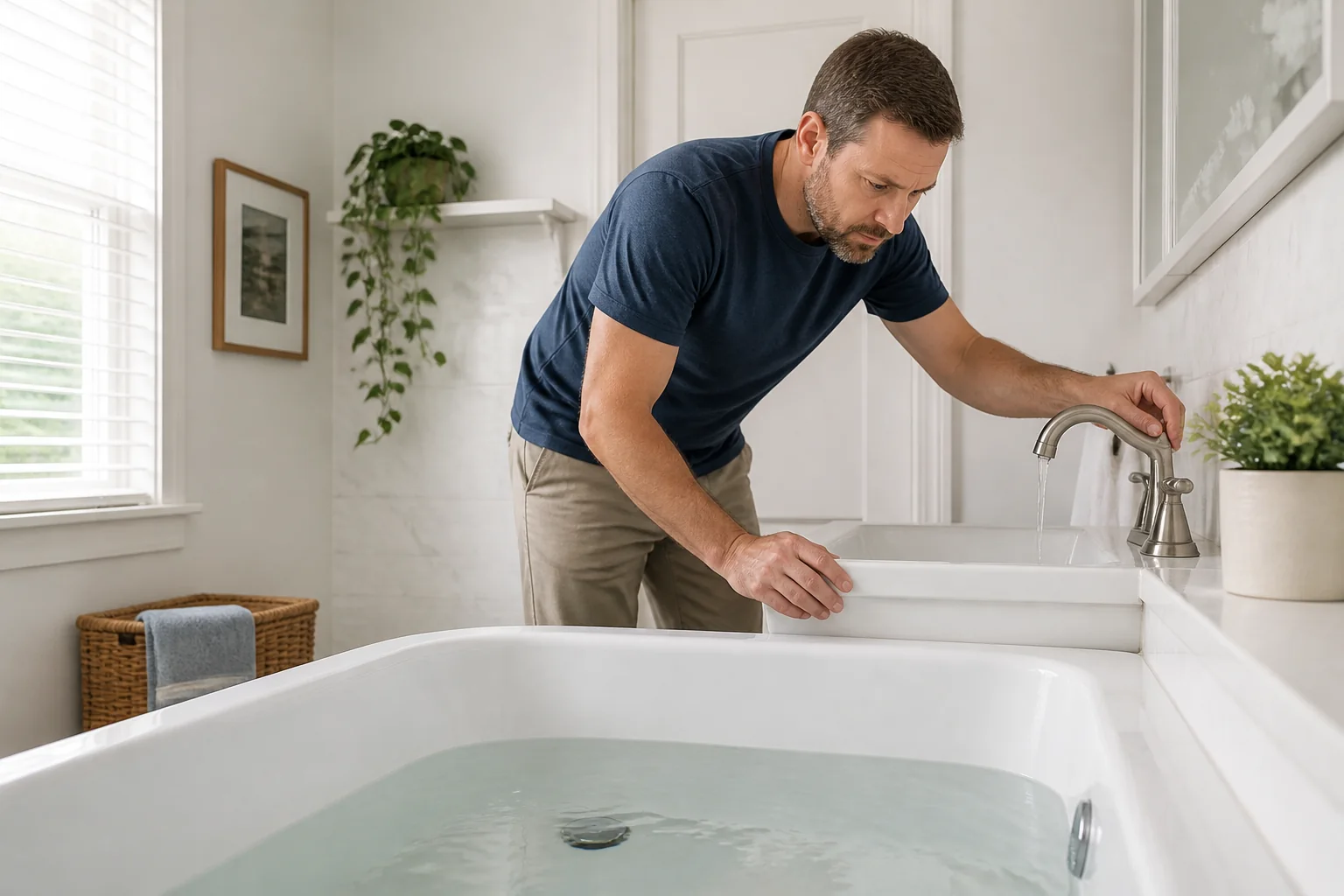
What does rooter service include?
Rooter service generally refers to using mechanical equipment to reach and break up, loosen, or retrieve material obstructing a drain or sewer line. The exact process varies by plumbing layout and pipe condition. Do not assume that every visit uses the same tool, begins at an outdoor cleanout, includes a camera inspection, or ends with a particular repair.
How is the blockage located and accessed?
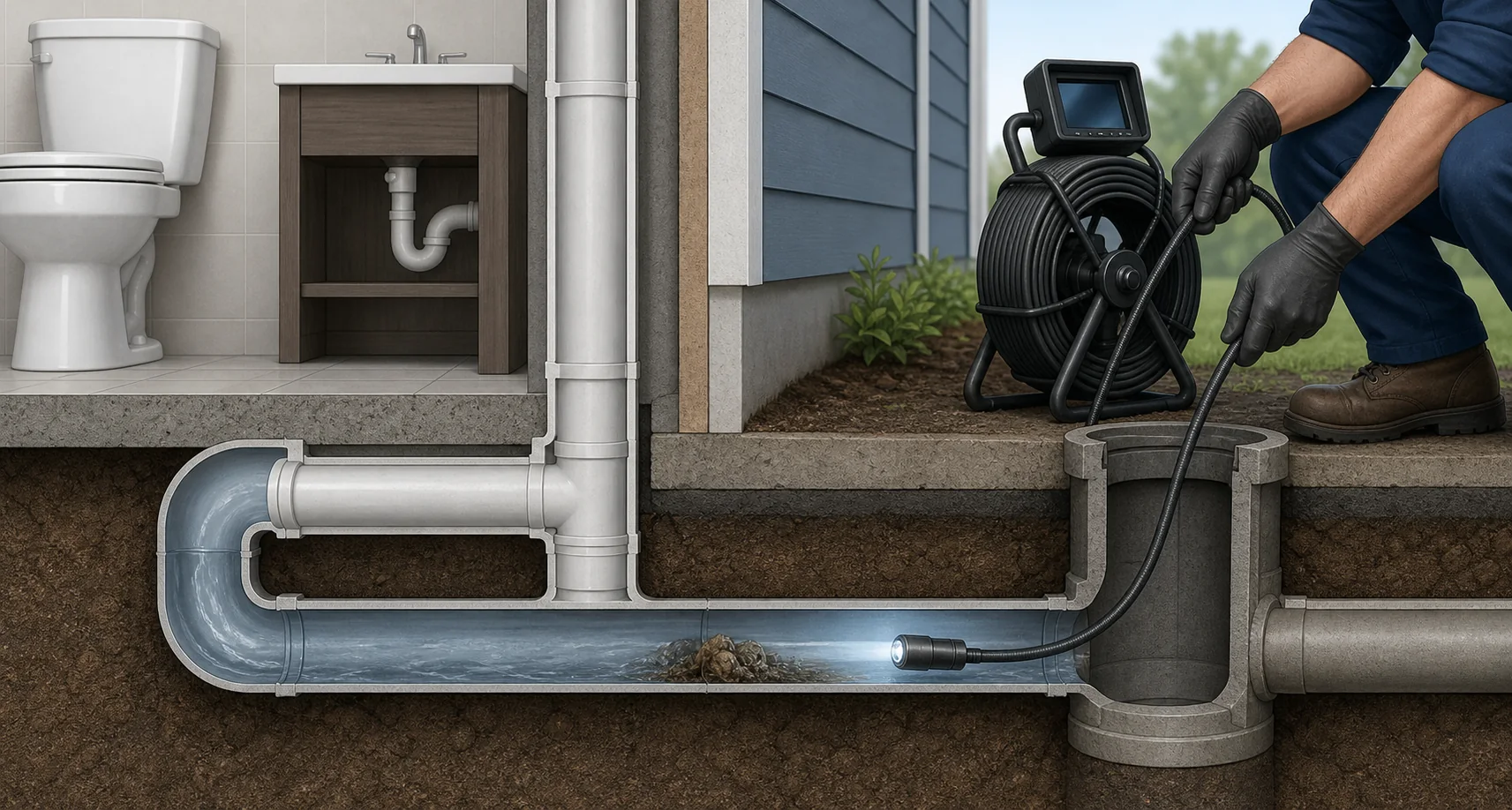
A technician first needs to understand the symptoms and identify a suitable access point. Depending on the property, access may be through a cleanout or another appropriate opening. If the blockage location is unclear or symptoms suggest a wider issue, additional inspection may be discussed. Ask what access method is planned and whether it could affect the estimate.
How is flow checked after clearing?
Clearing an obstruction and confirming that water moves through the line are separate steps. Ask what post-service check is included, what the technician observed, and whether any restriction remains. If the same symptoms return, share when they came back and ask whether a camera inspection or another diagnostic step could help identify a cause that mechanical clearing did not address.
Rooter service vs. drain cleaning, hydro jetting, and camera inspection
These terms describe related but different work. The best fit depends on the symptoms, the material in the line, pipe condition, and access. Pro Rooter Guys lists Main Line Cleaning and Hydro Jetting as separate services on its website; ask which service is available and appropriate for your address.
|
|
|
|
|
|
|
|
|
|
|
|
|
|
|
|
|
|
|
|
These methods are not interchangeable promises. A camera can help assess a line, but it does not clear a clog. Mechanical clearing may restore flow without showing the full pipe condition. Hydro jetting is not automatically suitable for every line. Ask the technician to explain the recommended method and any alternatives before work begins.
Why do clogs return, and when is more diagnosis needed?
A recurring blockage can have more than one possible cause. Grease, hair, soap residue, wipes or other debris may collect in a line. Roots can enter some sewer lines through openings. A damaged, offset, or deteriorated section may also contribute to repeated trouble. These are possibilities, not a diagnosis of any specific Brea property.
If the same area backs up again soon after clearing, or several drains continue to show symptoms, ask what evidence points to the next step. A camera inspection may be considered when accessible and useful for checking the pipe interior. If a defect is found, request a separate explanation of repair options and a written scope rather than assuming that another clearing will solve the underlying cause.
For general local drain-cleaning guidance, see Drain Cleaning in Brea. For broader plumbing needs, the existing Brea plumber guide covers a different search intent.
Estimates, coverage, and scheduling in Brea
Before approving work, ask what the estimate covers: the affected line, access, proposed clearing method, included testing, and any conditions that could change the scope. If further inspection or repair may be needed, ask whether it is optional, how it will be priced, and when approval is required. Do not rely on a general phone estimate as a diagnosis of hidden pipe conditions.
Pro Rooter Guys is based at 118 N Brea Blvd and serves homes and businesses throughout Brea. Call to confirm the requested service is available for your address and the best way to schedule.
For consumer guidance on choosing a contractor and checking license status, consult the California Contractors State License Board’s contractor selection guide. Verify any credential or license claim independently rather than relying on an advertisement alone.
Rooter service questions
Is rooter service different from drain cleaning?
Drain cleaning is a broad term for clearing an obstruction or buildup. Rooter service usually refers to mechanical equipment used to address certain blockages in a drain or sewer line. The terms can overlap in how companies describe their work. Ask which line is included, what method is proposed, and what the service does not cover.
Is mechanical rooter clearing safe for every pipe?
No single clearing method is right for every pipe or blockage. Material, age, condition, access, and the type of obstruction can affect the choice. A technician should explain why a method is suitable and discuss any concerns before proceeding. If pipe condition is uncertain, ask whether inspection is recommended before more forceful cleaning.
Can a rooter clear a line without an outdoor cleanout?
Sometimes another access point may be available, but the options depend on the building’s plumbing layout and the line involved. Do not assume an outdoor cleanout is present or that a fixture opening is appropriate. Describe what you can see and ask the service team how access affects the proposed work and estimate.
What should I do if the clog comes back?
Note which fixtures are affected, how soon the symptoms returned, and whether the backup or sound changed. Contact the service provider and ask what was cleared, what the post-service check showed, and whether further diagnosis is warranted. A recurring symptom can have multiple causes, so avoid assuming that the same method or a repair is automatically required.
How much does rooter service cost?
There is no single price for every rooter job. The amount can depend on the line, access, blockage, method, and whether diagnosis or repair is needed. Pro Rooter Guys offers free estimates — ask for a written scope and confirm what it includes before approving work.
Does Pro Rooter Guys offer rooter service in Brea?
Yes. Pro Rooter Guys offers rooter and main-line cleaning service for Brea properties. Call to confirm the specific service you need is available for your address.
Key takeaways
- Several slow drains or a low-drain backup may point to a shared-line issue, but symptoms alone do not confirm the cause.
- Rooter clearing, hydro jetting, and camera inspection serve different purposes; method choice depends on the line and diagnosis.
- For a repeat clog, ask what was confirmed and whether further inspection is appropriate.
- Confirm Brea service coverage, estimate scope, and current availability directly before approving work.
Request rooter service in Brea
If a drain keeps clogging or several fixtures are affected, share the symptoms and ask what diagnostic or clearing options may fit.