
A clogged drain, a damp floor, or a water heater that runs cold are symptoms, not diagnoses. What separates Brea plumbing experts from a quick fix is how they find the cause before anyone picks up a wrench. This guide walks Brea homeowners and property managers through the inspection methods professional plumbers use, what each one can and cannot tell you, and how to use the findings to approve the right repair.
Short answer: Brea plumbing experts diagnose before they repair. Depending on the symptom, that can mean a sewer camera inspection, a water meter or pressure check, leak detection, or a hands-on evaluation of a water heater or fixture. The diagnosis should explain what failed, where, and why, so the repair you approve matches the actual problem.
Pro Rooter Guys lists camera inspections, leak detection, hydro jetting, and sewer repair among its plumbing services.
Why Do Brea Plumbing Experts Diagnose Before Repairing?
The same symptom can come from very different causes. A slow kitchen sink might be grease buildup in a short branch line, or it might be the first sign of a partial blockage in the main sewer line. Treating the symptom without confirming the cause often means paying twice: once for the quick fix, and again when the problem returns.
A diagnosis-first approach gives you three things:
- A located problem. Where the failure is, not just what it looks like from inside the house.
- A likely cause. Buildup, root intrusion, a cracked or offset pipe, a failed valve, worn fixture parts, or something else.
- A matched repair. Cleaning, spot repair, replacement, or monitoring, based on evidence rather than guesswork.
Our plumbing services cover drains, sewer lines, leaks, water heaters, gas lines, and fixtures. In each case, the first job is understanding what is actually happening in the system.
What Diagnostic Tools Do Plumbing Experts Use?
Professional plumbers choose a diagnostic method based on the symptom and where the problem is likely to be. The table below shows common methods, what they help answer, and when they are typically used. It is a general guide; the right method for your home depends on what the plumber observes on site.
|
|
|
|
|
|
|
|
|
|
|
|
|
|
|
|
|
|
|
|
|
|
|
|
|
|
|
|
Not sure which applies? You do not need to know the method. Tell us the symptom and we will help you figure out the next step.
Sewer Camera Inspections
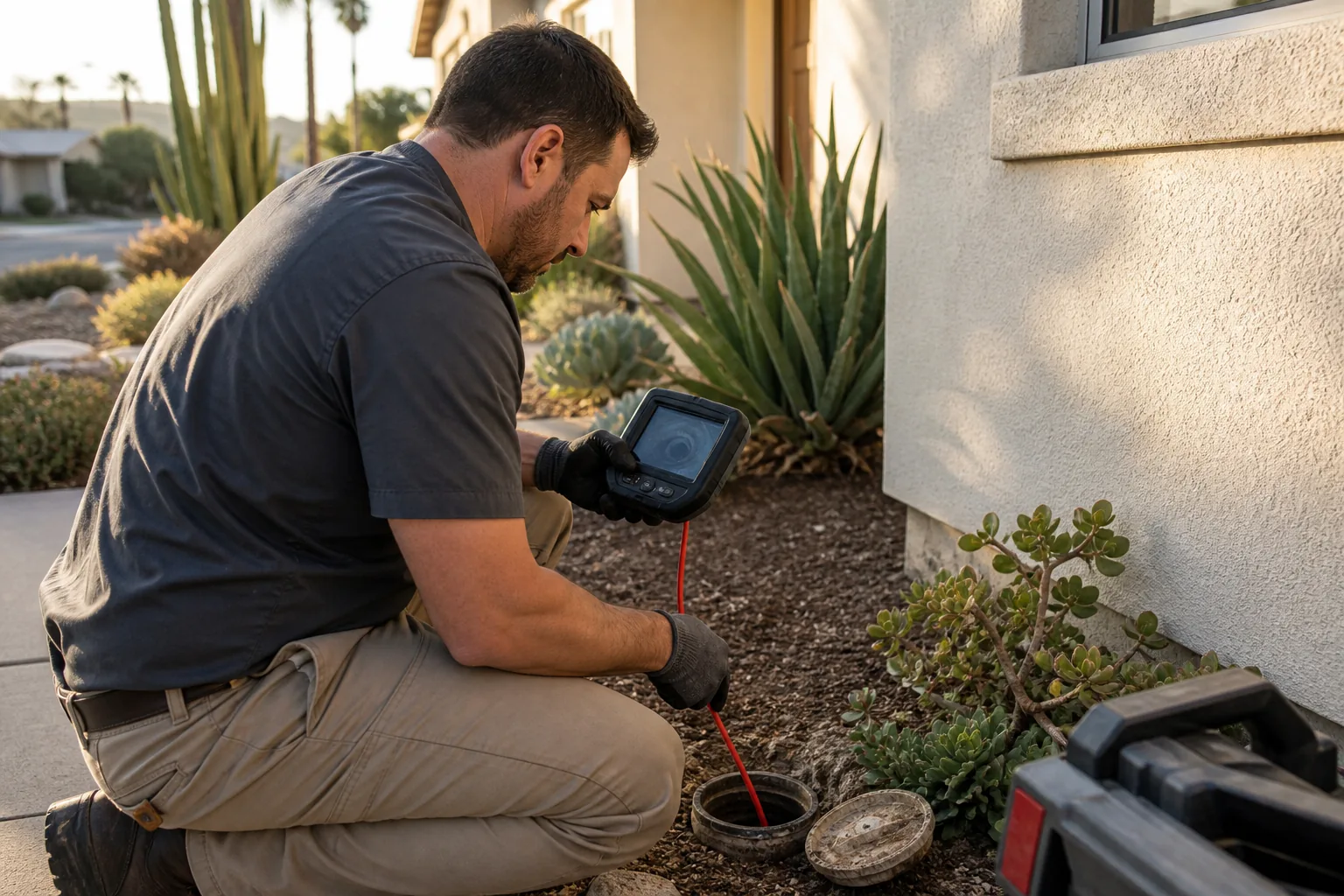
A sewer camera inspection feeds a waterproof camera on a flexible cable through a cleanout or drain opening. The plumber watches a live video feed to see the inside of the pipe. This can reveal tree roots, grease buildup, broken sections, sagging pipe that holds water, or debris that a cable alone would not identify.
Camera footage also guides the repair method. A line clogged with buildup may be a candidate for cleaning, while a collapsed section usually needs repair or replacement. Pro Rooter Guys’ website describes using sewer camera inspections and trenchless repair methods; ask what the footage shows and whether you can see it before approving work.
Water Meter and Pressure Checks
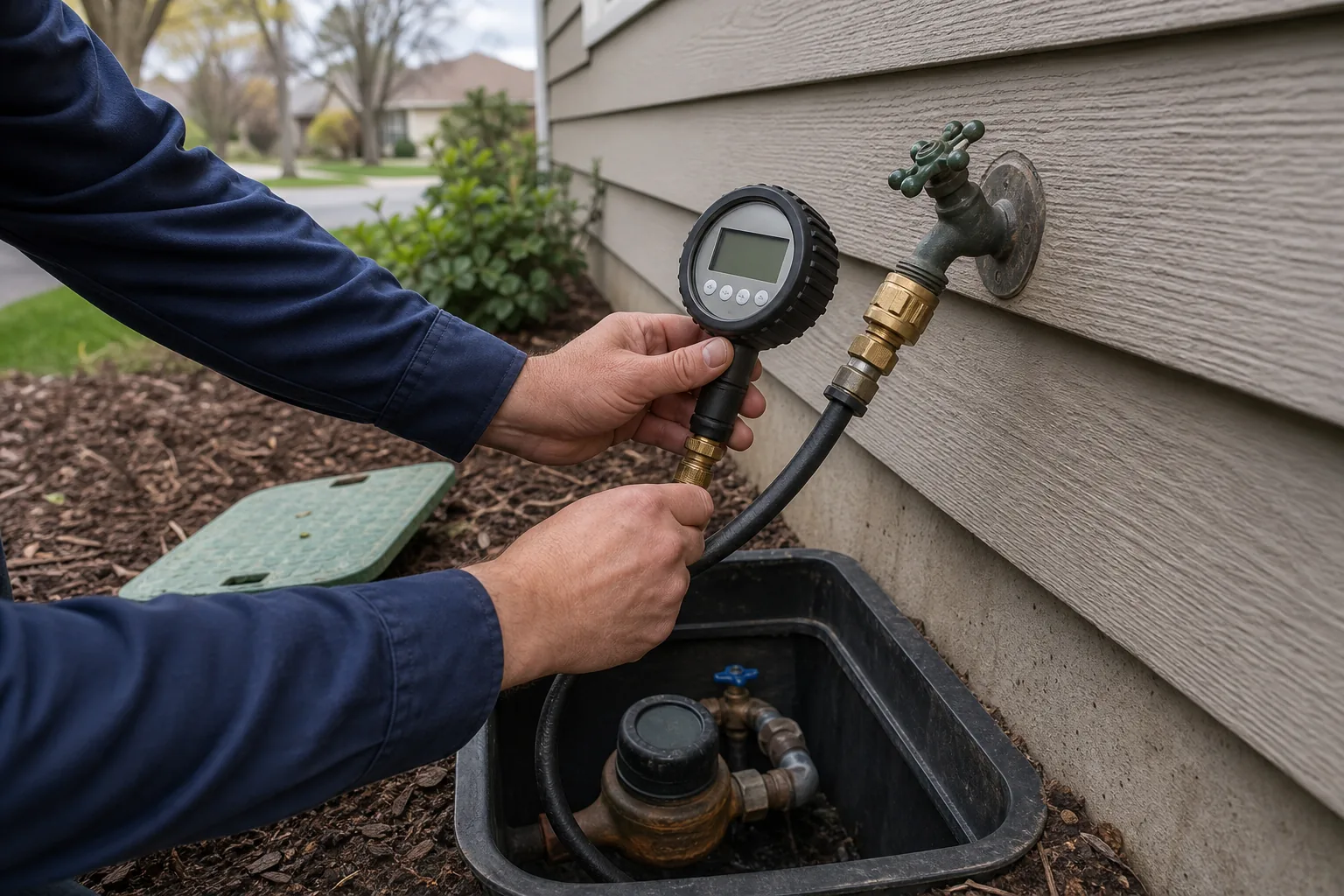
Some of the most useful diagnostic steps are simple. According to the U.S. EPA WaterSense program, if your water meter changes during a two-hour period when no water is being used, you probably have a leak. The EPA also reports that household leaks can waste more than 9,300 gallons per year for the average home.
A plumber may combine a meter check with a pressure test to narrow down whether a leak is in the supply side of the system, and roughly where. High static pressure can also stress pipes and fixtures over time, so measuring it is worthwhile even without an obvious leak.
Leak Detection for Hidden and Slab Leaks
When a leak is behind a wall or under a concrete slab, the goal is to locate it precisely before opening anything up. Professional leak detection equipment helps pinpoint the source so the repair can be targeted. If you notice warm spots on the floor or hear water running when nothing is on, read our guide to slab leaks in Brea for more on signs and repair options.
How Does a Diagnosis Change the Repair You Choose?
A good diagnosis turns a vague problem into a clear decision. Here is how findings commonly shape the recommended repair:
- Buildup in a drain or sewer line: Cleaning may be the right first step. For heavy grease or scale, a plumber may recommend hydro jetting, which uses high-pressure water to scour the pipe walls. It is not suitable for every pipe, so the line’s condition should be checked first.
- Root intrusion: Cleaning can clear roots temporarily, but if roots are entering through cracked joints, they are likely to return. Ask whether repair at the entry point is recommended.
- Cracked, offset, or collapsed pipe: Usually requires repair or replacement. Depending on the line, a trenchless method may be an option. Ask why a method is or is not suitable for your property.
- Isolated slab leak: Options may include a spot repair, rerouting the affected line, or repiping if the system has multiple failures.
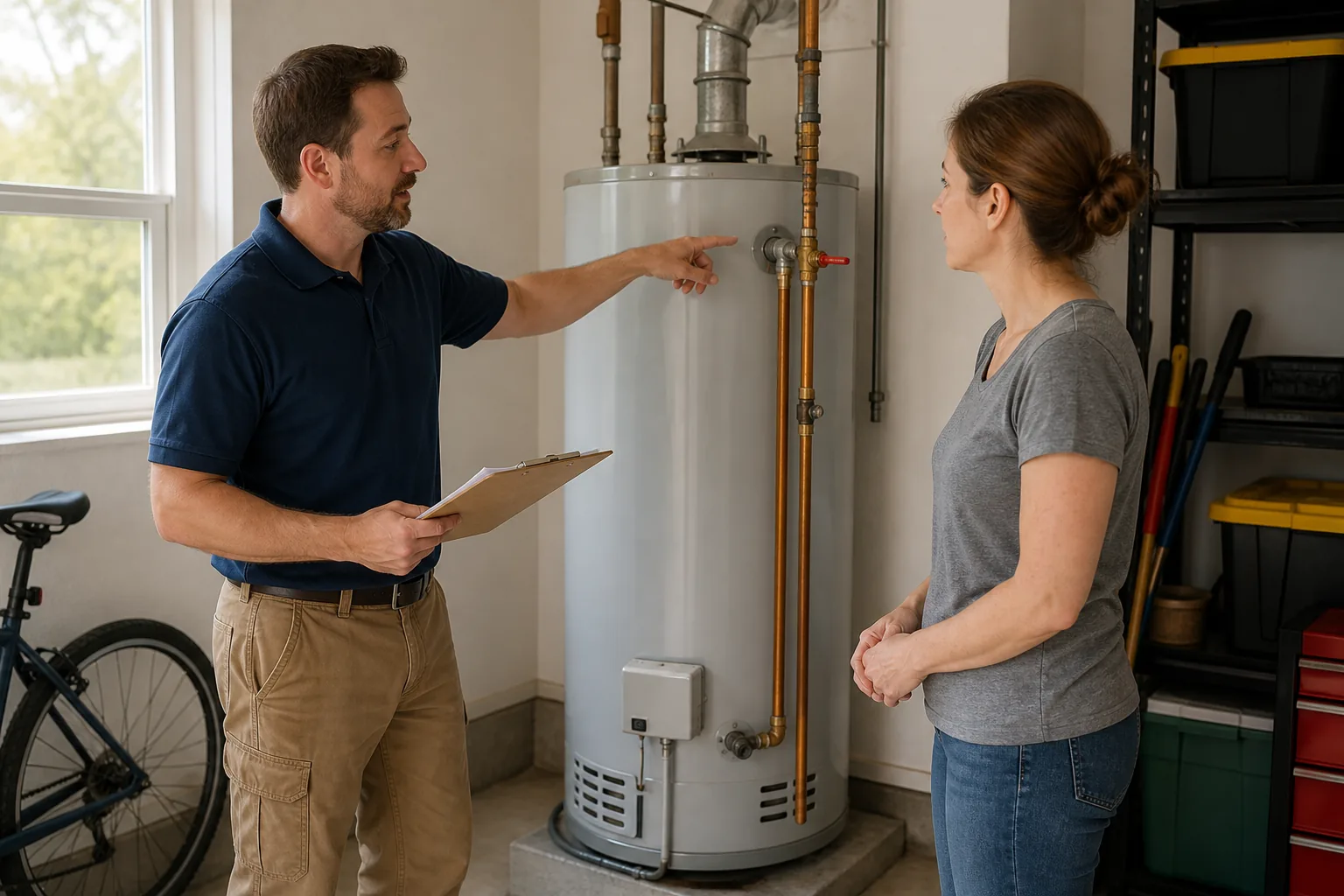
- Water heater problems: A failed component may be repairable; a leaking tank generally is not. The age and condition of the unit factor into repair versus replacement.
- Single-fixture issues: Often resolved by replacing a worn part rather than a larger repair.
For a single slow drain, our Brea drain cleaning guide covers warning signs and prevention tips.
What Should You Ask After a Plumbing Inspection?
After an inspection, ask your plumber to explain what they found, where the problem is, what caused it, and what repair options fit. Request a written scope and estimate before authorizing work, and ask what happens if the repair uncovers additional damage.
- What did the inspection show, and can I see the footage or readings?
- Where exactly is the problem, and what likely caused it?
- What repair do you recommend, and what are the alternatives?
- What is included in the written estimate, and what is excluded?
- Are permits required, and who handles them?
- What warranty applies to parts and labor?
It is also smart to verify the contractor before approving larger work. The California Contractors State License Board guide to hiring a contractor explains how to check a license and compare written bids. Pro Rooter Guys states its plumbers are licensed and insured — ask for our license number when you book, and verify it yourself through the CSLB lookup above
When Should Diagnosis Wait Until the Situation Is Safe?
Some situations call for immediate action before any inspection:
- Active flooding or a burst pipe: If you can do so safely, shut off the fixture valve or main water supply, and keep clear of water near electrical outlets or equipment.
- Sewage backing up: Stop using water in the home until the line is checked, and keep children and pets away from wastewater.
- Suspected gas leak: Leave the area immediately. Do not use switches or flames. From a safe location, follow SoCalGas natural gas leak safety guidance and call 911 if there is danger to people or property.
Pro Rooter Guys offers 24-hour emergency plumbing. Call to confirm current availability for your address.
Why Work With Pro Rooter Guys for Plumbing Diagnosis in Brea?
Pro Rooter Guys lists a business address at 118 N Brea Blvd in Brea and offers residential and commercial plumbing services including drain cleaning, main line cleaning, hydro jetting, sewer repair, leak detection, water heater work, gas line repair, and septic service. Our website describes the use of sewer camera inspections and trenchless repair methods for more accurate diagnosis and less invasive repairs, and our plumbing page states that we explain costs before work begins.
Customers on Google and Yelp often mention our quick response, friendly service, and fair options.
Key Takeaways
- Brea plumbing experts diagnose the cause before recommending a repair, because the same symptom can have different causes.
- Common methods include sewer camera inspections, water meter checks, pressure testing, leak detection, and water heater evaluations.
- The EPA notes a water meter that moves while no water is in use likely signals a leak.
- Ask to see inspection findings and get a written scope and estimate before approving work.
- For a suspected gas leak, evacuate first and call from a safe location.
Frequently Asked Questions About Brea Plumbing Experts
What do Brea plumbing experts do differently from a quick fix?
Plumbing experts focus on finding the cause, not just clearing the symptom. That may involve a sewer camera inspection, a meter or pressure check, leak detection, or a hands-on evaluation of a fixture or water heater. The findings guide whether the right next step is cleaning, repair, replacement, or monitoring, which can reduce repeat visits for the same problem.
What is a sewer camera inspection?
A sewer camera inspection uses a waterproof camera on a flexible cable to view the inside of a drain or sewer line. The plumber watches a live feed to identify blockages, roots, cracks, sagging sections, or offset joints and estimate their location. It is commonly used when several drains back up or clogs keep returning.
How can I tell if I have a hidden water leak?
Turn off every fixture and appliance that uses water, note your water meter reading, and check it again after about two hours without using water. The U.S. EPA says that if the meter changes, you probably have a leak. Other clues include warm or damp floor areas, the sound of running water, and an unexplained rise in your water bill.
Is hydro jetting right for every clogged drain?
No. Hydro jetting uses high-pressure water to clear heavy buildup such as grease and scale, but it is not suitable for every pipe. A plumber should assess the line’s condition first, often with a camera inspection, because damaged or fragile pipe may need repair rather than high-pressure cleaning. Ask why the method is recommended for your line.
Does Pro Rooter Guys offer plumbing diagnosis in Brea?
Yes. Pro Rooter Guys offers camera inspections, leak detection, and sewer repair for Brea properties. Call with your address and a description of the problem to confirm availability and next steps.
What should a plumbing estimate include after an inspection?
A clear estimate should describe the problem found, the proposed work, parts or equipment, total cost, exclusions, and payment terms. Ask whether permits, diagnostic fees, or after-hours charges apply, and what warranty covers the work. Review and approve the written scope before any work begins, and ask how added work would be handled if it comes up.
How do I verify a California plumber’s license?
Ask the contractor for their license number, then check its status and classification using the California Contractors State License Board’s online tools. The CSLB also recommends confirming insurance and comparing written bids for larger projects. A license number printed in an ad is not proof by itself that the license is current or fits the work.
Get the Real Answer Before You Approve a Repair
The fastest way to a lasting fix is knowing exactly what went wrong. Brea plumbing experts start with diagnosis, show you what they found, and match the repair to the evidence.